
Posted On: September 22, 2026 by First Community Bank and Trust in: Community Banking Community Banking Advocacy Community Events Community News General
Source: Consumer Financial Protection Bureau with additions made by First Community Bank and Trust.
After a disaster, your priority is your own safety. Organizations in your community can provide help and services.
Expect help from the companies you use
As you recover from a disaster or emergency, you should contact your lenders and companies where you have accounts and ask for help. You might ask for:
- A way to refinance your existing debts, or new loans with terms that are more realistic for you
- Flexibility on paperwork required for loans or payment assistance, if you cannot locate or access documents because of the event
- Reduced or waived fees and charges, like overdraft fees, ATM fees, or late fees
- Increases in the amount you are allowed to withdraw in cash from an ATM
Sometimes a disaster or other event means you need to leave your home, or your telephone or internet service could be interrupted. Set up a forwarding address for your mail and update your contact information, to make sure you receive checks you are expecting, messages about your bills and loans, and other important documents before problems arise.
Take care of your housing situation
Stable housing is usually a top priority for people in areas affected by natural disasters and emergencies. Here are a few considerations that can help you stabilize your situation.
Managing mortgage payments
If you can’t pay your mortgage or are worried about missing a payment, call your lender or loan servicer right away. Ask about ways they can make your payments more affordable. These are called “loss mitigation options” and they can include loan modifications. Once you get information about your options, you can go over it with a housing counselor at low or no cost to you.
Generally, applications for loss mitigation on a mortgage must be complete before your lender considers it. But in an emergency or disaster situation, completing this application might be difficult, so your lender should be able to offer you options anyway.
Your lender can also add a natural disaster code to your credit report, so that lenders understand why you had a missed or delayed payment.
Handling homeowner’s insurance
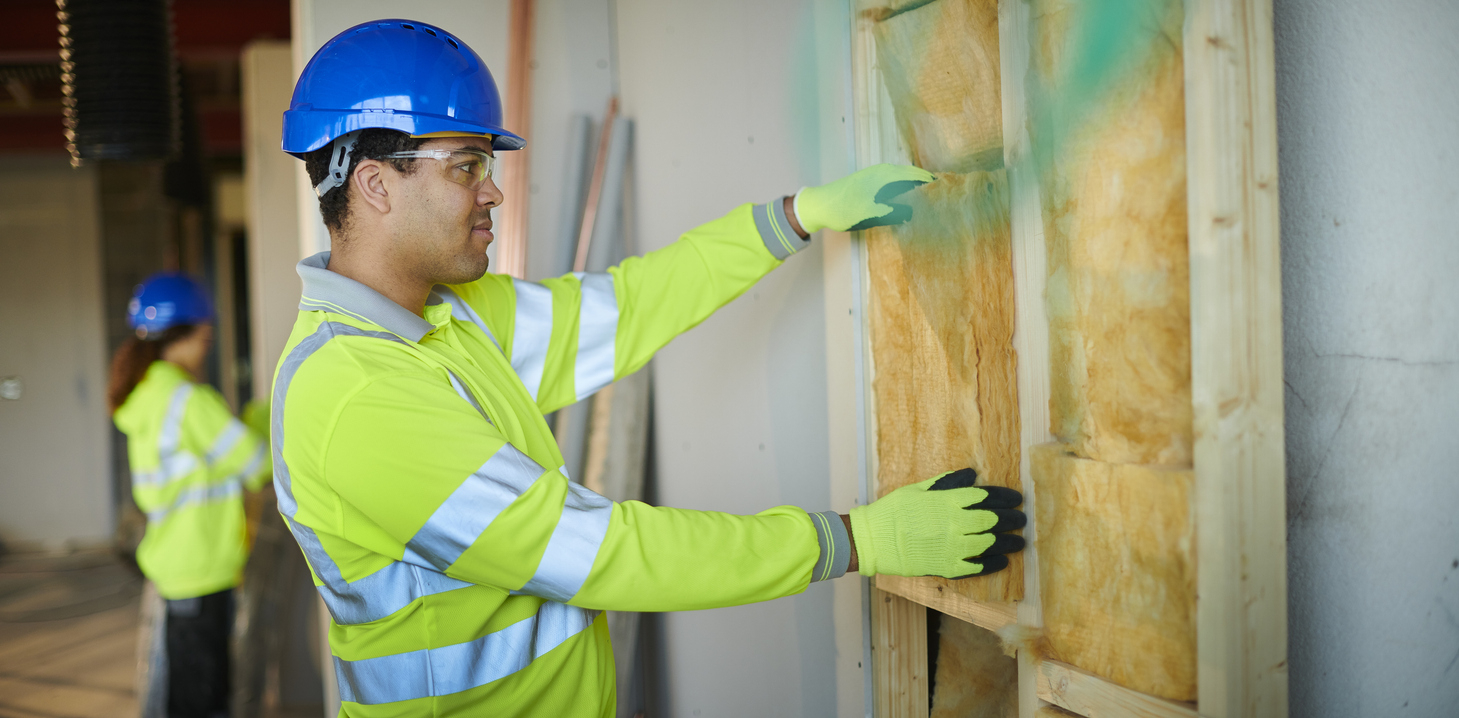
Many people hire contractors soon after a disaster to begin repairs quickly on their home or business. Before you do, check with your insurance company and with your mortgage company or servicer about how and when the insurance money is distributed. Many mortgage agreements require insurance checks to be made out to both you and the mortgage company or servicer. This means your mortgage company could release portions of the money as repair work progresses, instead of releasing all the money at once.
Seek out reputable companies in your area to make repairs. Request a mechanic’s lien waiver from your contractors at the beginning and for each phase of your project. A mechanic’s lien waiver is a document saying the contractor has been paid in full and has no further rights to place a lien on your property to collect an unpaid bill.
Insurance might not pay for all the damage to your home. Your homeowner’s insurance policy might cover actual cash value, which pays an amount based on the value of your home, rather than the total needed to restore it. Or, your policy might specify replacement cost, which covers the materials and labor to repair and rebuild. Flood damage is usually not covered by homeowner’s insurance. For money to repair uninsured damage to a home, many homeowners need to borrow money. Explore First Community Bank and Trust’s blog about how you can use the equity in your home when storm damage strikes.
Look for affordable coverage down the road. After your home is damaged, you might run into more problems finding an insurance company to provide coverage. Your insurer might not renew your coverage.
Dealing with property damage
Emergency financial assistance could help pay for repairs to your home, car, or other property. Local assistance programs may be able to help you meet immediate relief needs. In a presidentially declared disaster area, federal resources could be available.
Vehicle damage, payments, and insurance
When you discover damage to your vehicle, clarify with your insurance company and with your auto lender what type of insurance policy you have, what losses the insurance covers, and what you could owe.
Your insurance company compares the cost of repairs to the value of the car, and if the repairs are more expensive, the company can declare the vehicle a total loss and pay you the fair market value of the vehicle on the date of the damage. Then, compare the amount you owe on your auto loan to the insurance paid on your totaled car—you might owe the difference to the lender.
Manage your bills
As you talk with companies about the issues below, be sure to write down who you talked to and when.
Utility bills
If you have to leave your home or if your utilities and services are not working, companies might have a hard time reaching you. They could send overdue bills and debts to a collection agency. Set up a forwarding address and update your information, so they can contact you before problems arise.
Credit cards and other bills
Review your income and savings and determine how much money you have available to pay bills and debts. If you can’t make your credit card payments, contact the company to see if they can offer more affordable repayment options.
For student loans, including Direct Loans from the federal Department of Education, many lenders can provide disaster forbearance. Contact your loan servicer.
Your lenders might be willing to work with you, but be proactive to avoid extra expenses, fees, and actions that could negatively impact your credit score. Ask the companies to note a disaster code in your credit file, so that future lenders understand your situation.
Automatic payments
After a disaster, electrical blackouts and flooding can make it hard to send payments on time or to stop automatic payments. This can lead to overdraft fees. Contact your bank, financial institution, or lenders quickly if you need to stop automatic payments or if you will miss a payment because of the disaster. Explain the situation and ask for a waiver of any late fees.
Keep an eye on your credit
After a natural disaster or emergency, you may find yourself facing unexpected issues with your credit reports or scores.
Customers of First Community Bank and Trust have access to Credit Sense, a free service within First eBanc that makes it easier to monitor your credit and understand changes to your credit profile. You can view your credit score, receive alerts about important changes and explore personalized insights that can help you better understand your credit.
Regularly checking your credit can help you spot unexpected changes or potential errors and take action when needed.
Scams increase during natural disaster recovery
While many people pull together during times of crisis, there is also an increased risk for scams and fraud. To avoid scams after a natural disaster or emergency, you need to ask questions to help you determine if something is too good to be true.
Red flags to watch out for:
People who want you to pay up-front fees to help you claim services, benefits, or get loans.
Contractors selling repairs door-to-door, especially when they ask to receive payment up front or offer deep discounts.
Con artists with fake credentials or uniforms, posing as government employees, insurance adjusters, law enforcement officials, or bank employees. Do not give out personal information to people you don’t know. Government employees do not charge to help you get a benefit or service and do not ask for payment or financial information.
People pressuring you with limited time offers, trying to get you to decide on the spot or to sign something without enough time to review it. Take your time reading and understanding anything presented to you. And ask a trusted friend, relative, or attorney before acting.
About CFPB
The Consumer Financial Protection Bureau (CFPB) is a 21st century agency that helps consumer finance markets work by making rules more effective, by consistently and fairly enforcing those rules, and by empowering consumers to take more control over their economic lives. For more information, visit www.consumerfinance.gov.
About First Community Bank and Trust
First Community Bank and Trust is a privately-owned bank. Established in 1916 First Community Bank and Trust has been serving Beecher, IL, Peotone, IL and the surrounding communities for over 110 years. Our commitment to providing the best banking products and services is matched only by our outstanding customer service. We offer traditional community banking services, including mortgage, consumer, and commercial lending, as well as state of the art electronic banking services.
Press Contact:
Steve Koehn, Senior Vice President
First Community Bank and Trust
(708) 946-2246
###
0 comments