
Posted On: June 12, 2026 by First Community Bank and Trust in: Community Banking Community News Electronic Banking General
This article was written by GoodTrust and published on May 6, 2026.
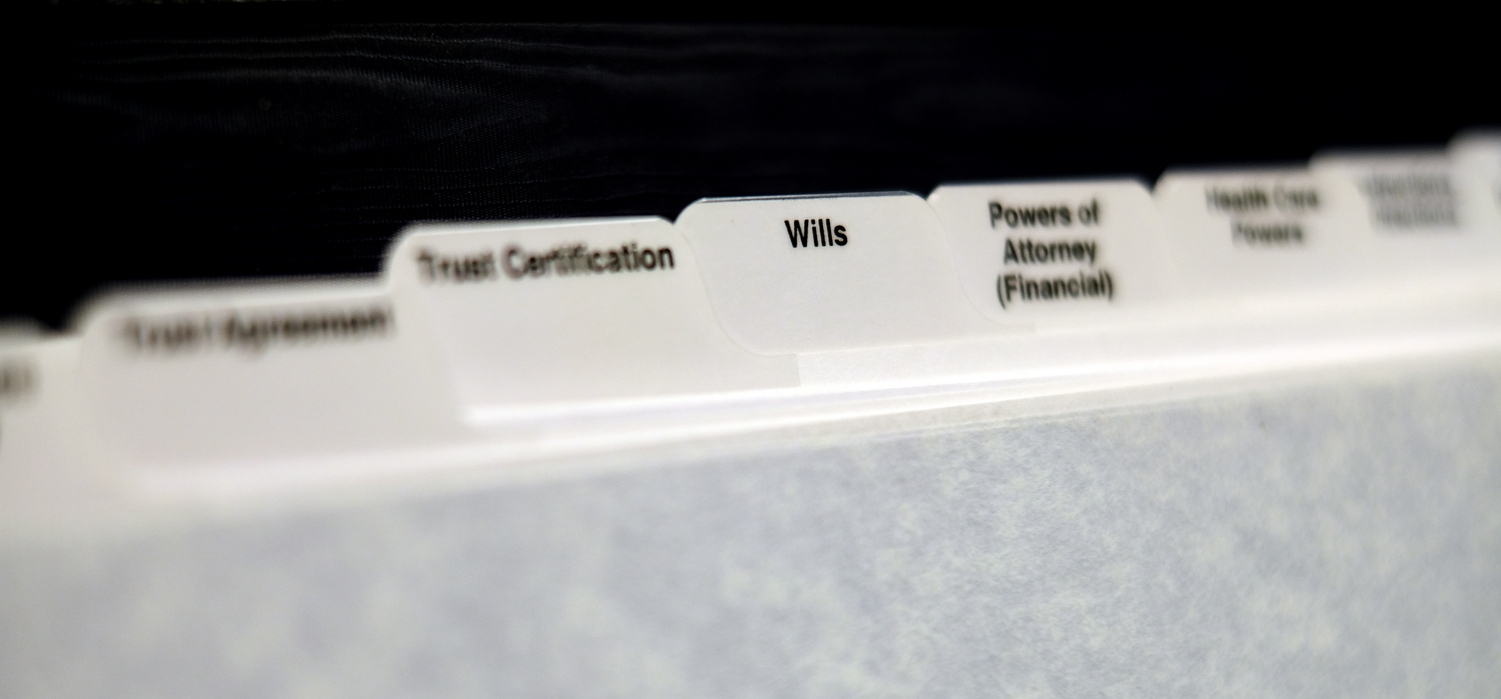
When you think of estate planning, you probably think of wills and trusts, first. Maybe you also think of power of attorneys and medical directives. And that’s a great start, but thinking about your estate plan holistically, how all the pieces fit together to make the whole process as easy as possible for your family is the right next step. Whether you’re planning for the first time, already have documents in place, or helping your parents get organized, you can benefit from taking your estate plan beyond a stack of papers and into an organized system.
What does it mean to build a system?
A system makes your estate plan clear, accessible, and actionable.
It ensures that:
- Your documents are valid
- Your information is organized
- The right people know where to find everything
- Nothing gets lost, overlooked, or locked away
Without a system, even the most carefully prepared estate plan can create confusion. Documents might exist—but no one knows where they are, whether they’re up to date, or how to use them when it matters most.
With a system, everything works together.
Step 1: Create your core estate planning documents
Start with the foundation.
This typically includes:
- A will or trust
- A power of attorney
- A health care directive
It can also include:
- A pet directive
- A funeral directive
These documents outline your wishes and designate the people who can act on your behalf. If you already have these in place, you’re off to a strong start. If not, this is where to begin.
Step 2: Make sure your documents are legally valid
Creating documents is one thing—making them legally enforceable is another.
Each state has specific requirements around signing, witnessing, and notarization. If these steps aren’t followed properly, your documents may not hold up when they’re needed.
To ensure everything is valid:
- Review your state’s requirements
- Complete any necessary witnessing or notarization
- Keep finalized copies of your signed documents
You can learn more about how to properly legalize your documents with our resources on GoodTrust’s website.
This step is what transforms your plan from “intentions” into something legally actionable.
Step 3: Store everything in one secure, accessible place
Once your documents are finalized, the next question is simple:
Will anyone be able to find them?
Too often, estate planning documents end up:
- Buried in drawers
- Scattered across files
- Locked behind passwords
- Stored in places no one knows about
This is where organization becomes essential. Experts recommend storing your documents both in a safe physical location and a digital one.
With the GoodTrust Digital Vault, you can:
- Upload and securely store your documents (you can even add instructions stating where the physical version is, for instance)
- Keep everything in one centralized location
- Add important details like accounts, contacts, and instructions
Instead of leaving behind scattered information, you’re creating a clear, structured system your family can actually navigate.
Step 4: Share access with the right people
Even the most organized system only works if the right people can access it. The GoodTrust Trusted Contacts feature makes it easy to share your documents with the right people. You can even choose when they’ll have access to them (now vs. after death, for example).
That means:
- Choosing trusted individuals
- Giving them appropriate permissions
- Making sure they know where everything is
This doesn’t mean sharing everything with everyone. It means making sure the right people have access to the right information at the right time.
Step 5: Communicate your plan
This is the step people skip most often—and it’s one of the most important.
Let your trusted contacts know:
- That you’ve created a plan
- Where your information is stored
- What role they may play
You don’t need to go into every detail. But a simple conversation can make a significant difference when it matters most.
Bringing it all together
When you connect these steps, something shifts.
You’re no longer relying on individual documents scattered across different places. You’re creating a complete, functional system—one that supports your wishes and reduces stress for the people you care about.
Estate planning isn’t just about what you leave behind. It’s about how easy you make things for the people who have to step in.
Get started
Whether you’re just beginning or already have documents in place, building a system is the next step.
Start by organizing what you have, filling in the gaps, and bringing everything together in one place.
Because the goal isn’t just to have a plan. It’s to make sure it works when it’s needed most.
If you have questions about GoodTrust, contact Robert Walker, Financial Advisor with First Community Investment Center, at (708) 946-2246.
About First Community Bank and Trust
First Community Bank and Trust is a privately-owned bank. Established in 1916 First Community Bank and Trust has been serving Beecher, IL, Peotone, IL and the surrounding communities for over 110 years. Our commitment to providing the best banking products and services is matched only by our outstanding customer service. We offer traditional community banking services, including mortgage, consumer, and commercial lending, as well as state of the art electronic banking services.
Press Contact:
Steve Koehn, Senior Vice President
First Community Bank and Trust
(708) 946-2246
###
0 comments